Reading is one of the most powerful habits a person can develop for personal growth. Many successful people around the world credit their achievements to the knowledge they gained through books. Reading not only improves knowledge but also strengthens focus, creativity, and critical thinking. However, many people struggle to develop a consistent reading habit because of busy schedules, distractions, or lack of motivation.
Building a daily reading habit does not require reading for hours every day. Even spending 10–20 minutes reading can make a significant difference over time. With the right strategies and mindset, anyone can make reading a part of their daily routine and use it as a tool for personal development.
Why Reading Is Important for Personal Growth
Reading provides access to new ideas, perspectives, and knowledge that can help individuals grow personally and professionally. Books allow readers to learn from experts, successful entrepreneurs, psychologists, and educators without direct interaction.
One of the biggest advantages of reading is that it improves mental stimulation. When you read regularly, your brain becomes more active and engaged. This improves memory, concentration, and analytical thinking.
Reading also reduces stress. Studies show that reading can calm the mind and reduce anxiety levels. When people immerse themselves in a book, they temporarily disconnect from daily worries and focus on meaningful content.
Another important benefit is improved vocabulary and communication skills. People who read regularly tend to express themselves more clearly and confidently.
Start with Small Reading Goals
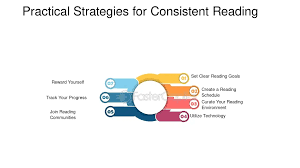
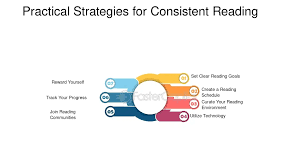
One of the biggest mistakes people make when trying to build a reading habit is setting unrealistic goals. For example, deciding to read for two hours every day can quickly become overwhelming.
Instead, start small. Reading for 10 or 15 minutes a day is enough to build consistency. Once reading becomes a habit, you can gradually increase the time.
Small goals help remove pressure and make the habit easier to maintain. Over time, these small efforts lead to significant progress.
Choose Books That Interest You
Interest plays a major role in building a reading habit. If you choose books that feel boring or too difficult, it becomes harder to stay consistent.
Start with topics that genuinely interest you. Some popular personal development topics include:
- Self-improvement
- Productivity
- Success habits
- Psychology
- Business and entrepreneurship
When the topic is engaging, reading feels enjoyable rather than like a task.
Create a Daily Reading Routine
Habits become stronger when they are attached to a routine. Choosing a specific time for reading helps turn it into a daily practice.
Some common reading times include:
- Morning reading before starting the day
- Reading during lunch breaks
- Reading before going to bed
Many people find that reading before sleep helps relax the mind and improve sleep quality.
Consistency is more important than duration. Even short reading sessions every day can build a strong habit over time.
Reduce Digital Distractions
Modern technology is one of the biggest obstacles to reading. Smartphones, social media, and streaming platforms constantly compete for attention.
To build a reading habit, it is important to reduce these distractions. Some simple strategies include:
- Turning off unnecessary notifications
- Keeping the phone away while reading
- Setting a specific time for reading without interruptions
Creating a quiet reading environment helps improve focus and makes reading more enjoyable.
Always Keep a Book Nearby
One simple trick to build a reading habit is to always keep a book nearby. When a book is easily accessible, it becomes easier to read during free moments.
For example, you can keep a book:
- On your bedside table
- In your bag
- On your desk
Whenever you have a few free minutes, you can use that time to read instead of scrolling through social media.
Track Your Reading Progress
Tracking progress can be very motivating. When people see how many pages or books they have completed, they feel encouraged to continue.
You can track reading progress by:
- Writing down books you finish
- Setting monthly reading goals
- Using reading apps or journals
Seeing progress over time creates a sense of accomplishment and helps maintain motivation.
Join a Reading Community
Reading becomes more enjoyable when you share ideas with others. Joining a reading community or book club can encourage consistency and accountability.
Online communities and discussion groups allow readers to share book recommendations, reviews, and insights. These discussions can also help deepen understanding of the material being read.
When people feel connected to a community, they are more likely to maintain their reading habits.
Focus on Consistency, Not Speed
Many beginners worry about reading speed. However, speed is not the most important factor. Understanding and applying the knowledge gained from books matters more.
Reading slowly and thoughtfully allows readers to absorb ideas more effectively. Over time, reading speed naturally improves with practice.
The key is to focus on reading regularly rather than trying to finish books quickly.
Apply What You Learn
Reading becomes much more valuable when the knowledge is applied in real life. Personal development books often contain strategies, habits, and mindset shifts that can improve daily life.
After finishing a chapter or book, take a moment to reflect on what you learned. Think about how you can apply those ideas in your daily routine.
This practice transforms reading from passive entertainment into a powerful tool for self-improvement.
Final Thoughts
Building a daily reading habit is one of the most effective ways to support personal growth. Reading expands knowledge, improves focus, reduces stress, and helps individuals develop better thinking skills.
The key to building this habit is starting small, choosing interesting books, and creating a consistent routine. By dedicating even a few minutes each day to reading, anyone can gradually develop a lifelong learning habit.
Over time, the knowledge gained from books can lead to better decisions, improved skills, and a more successful and fulfilling life.